
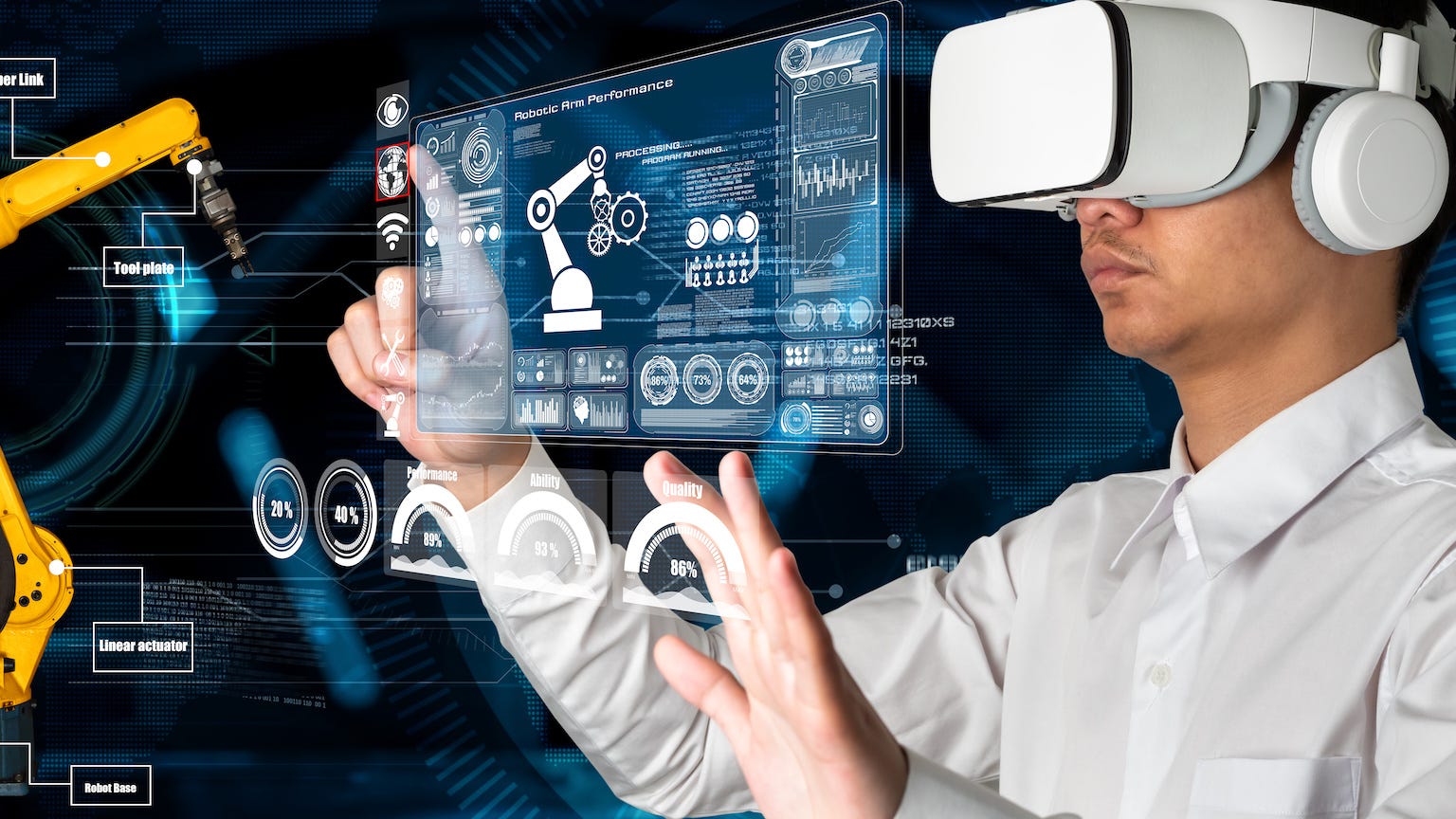
Embracing the Future: The Transformative Potential of Virtual and Augmented Reality
The future of Virtual Reality (VR) and Augmented Reality (AR) promises groundbreaking advancements with vast potential to transform industries and human experiences. VR immerses users in computer-generated environments, while AR overlays digital elements onto the real world. Market projections suggest exponential growth, with a user base expected to reach 3,674.0 million worldwide by 2028, indicating the profound impact of these technologies. Businesses are urged to invest in VR and AR due to the substantial market revenue forecasted, with AR software expected to reach a value of US$13.0 billion by 2024. Top AR/VR apps like Google Lens, Netflix VR, and IKEA Place showcase the diverse applications and benefits of these technologies.
Artificial Intelligence (AI) is playing a pivotal role in enhancing VR and AR experiences. AI-driven applications digitize real-world objects, facilitate personalized shopping experiences, and improve gaming interactions. Future trends in VR and AR include the integration of AI, immersive social experiences, and the integration of 5G networks to enable high-definition, low-latency experiences. However, challenges such as user discomfort, hardware limitations, and privacy concerns hinder widespread adoption.
Despite challenges, opportunities abound, including new creative mediums, business innovation, and economic growth. VR and AR offer accessibility for all, removing barriers to participation for people with disabilities and fostering human connections. As VR and AR technologies continue to evolve, they are poised to revolutionize industries, from healthcare to retail, and enhance everyday experiences. Embracing these transformative technologies is essential for businesses to stay competitive and unlock new opportunities for growth and innovation in the digital era.